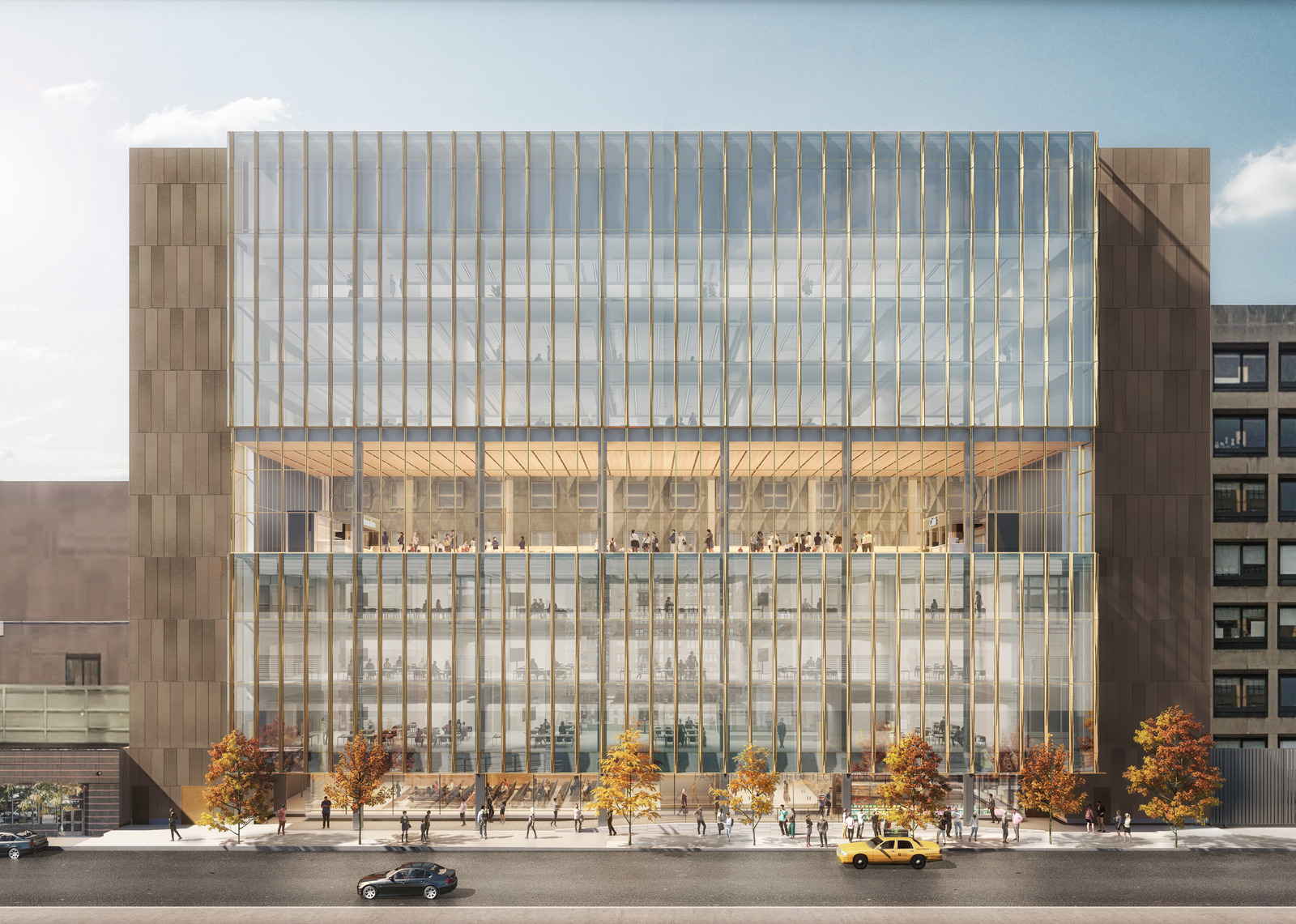
Safety and Department of Buildings (DOB) regulatory compliance are an undeniable concern for responsible construction-industry professionals and property operators throughout New York City. Consulting with Manhattan-based VGCOM is the first step in ensuring your project is completed in compliance with NYC Building Code requirements.
VGCOM provides a full range of inspection services, helping clients meet NYC DOB regulations across an expansive array of categories. VGCOM performs NYC Special Inspections at various stages of construction, addressing each project’s specific needs and ensuring every regulated component of an installation meets DOB requirements. DOB-approved VGCOM can guide you through the regulatory process and provide the Special Inspections and Progress Inspections you need to ensure compliance.
Field and types of inspection:
-
Mechanical & Plumbing Systems:
◊ Mechanical Systems (1704.16)
◊ Fuel-Oil Storage and Fuel-Oil Piping Systems (BC 1704.17)
◊ Heating Systems (BC 1704.25)
◊ Chimneys and Vents (BC 1704.26, BC 1705.32)
◊ Exhaust and Vent Systems in Plemums and Ducts (BC 1705.39)
-
General Building Construction:
◊ Tenant Protection Plan (BC 1705.26)
◊ Demolition (BC 1704.20.4, BC 1705.25.5.1, BC 1705.25.5)
◊ Luminous Exit Path Markings (BC 1704.30, BC 1024.8)
◊ Luminous Egress Path Markings (NA)
◊ Flood Zone Compliance (BC 1704.29, BC G105, BC 1705.34)
◊ Concrete Cast-in-place (BC 1704.4, BC 1705.3)
◊ TR-1 Final Inspection (28-116.2.4.2 BC 109.5 Dir-14)
-
Fire Protection Systems & Fire Resistant Construction:
◊ Sprayed Fire-Resistant Materials (BC 1704.11)
◊ Smoke Control Systems Testing (BC 1704.15, BC 1704.18)
◊ Mastic and Intumescent Fire-Resistant Coatings (BC 1704.11)
◊ Sprinkler Systems (BC 1704.23)
◊ Standpipe Systems (BC 1704.23)
◊ Fire-Resistant Penetrations and Joints (BC 1704.27)
◊ Emergency and Standby Power Systems (Generators) (BC 1704.31)

Residential Buildings
As the dedicated special inspection agency for multi-family residential buildings across NYC boroughs, our firm provided SI services in categories including the Tenant Protection Plan (TPP), demolition, fire-resistant penetrations and joints, and final inspections. Operating on a rigorous weekly inspection schedule, our core mission was to safeguard resident safety and maintain harmony between active construction zones and daily community life.
Key Contributions & Scope:
- Proactive Communication: Verified that official notices regarding scheduled disruptions and construction milestones were distributed to tenants well in advance.
- Site & Public Safety: Ensured repair peripheries featured fully compliant covered sidewalk sheds equipped with proper overhead protection and safety lighting in full accordance with NYC regulations, keeping public access clear and unobstructed.
- Environmental & Structural Audits: Monitored dust and debris control, noise mitigation, and structural integrity around staging areas during weekly site visits.
- Documentation & Transparency: Maintained meticulous weekly inspection logs and compliance reports to provide a seamless audit trail for municipal authorities and building leadership.
- Structured Oversight: Conducted structured weekly site visits and maintained detailed logs to ensure complete regulatory compliance through all demolition and reconstruction phases.
- Resident Communication & TPP Enforcement: Verified that mandatory legal notices and work schedules were prominently posted near elevators on every floor. We continue to enforce clear, safe, and dust-controlled corridor access for remaining occupants.
- Fire Protection & Site Safety: Enforce rigorous safety standards during hazardous demolition and rebuilding, overseeing proper waste disposal, dust mitigation, and unobstructed egress pathways free from material storage.
Quality Assurance: Systematically review on-site material specifications and construction execution against approved architectural drawings to guarantee long-term structural and life-safety integrity.

Commercial Buildings
VGCOM provided construction inspection services related to the building envelope at SUNY Old Westbury Natural Science building.

Higher Education & K12 Building
Commissioning in the multi-family residential buildings is a process of verifying all of the MEP systems of a building during post construction/renovation are meeting the design intent or the owner’s project requirements as intended by the building owner and as designed by the architects and engineers. Per the latest NYC building codes, major HVAC systems such as boilers, chillers, AHUs, RTUs, DHW heaters etc., all depends of their capacities though, must be commissioned by a certified Commissioning Authority so that they meet the design intent, however all these systems are left alone and not commissioned after installation for years. Since all such systems, if not treated properly, will develop imperfection over the years. Therefore, commissioning in the multi-family buildings is important time to time and due to constantly changing technology, we can provide much better parts, controls, and systems which are approved by DOB and will save energy of your system as well as increase the longevity of the equipment.
In NYC, officials understood the importance of building commissioning and therefore in 2009 they passed a Local Law 87 of 2009, that all buildings in NYC (with a few exemptions) which has more 50,000 ft2 conditioned area, MUST perform energy auditing and retro-commissioning. Retro-commissioning in these buildings must be completed by certified Cx Agents. VGCOM has all required certifications and licenses to perform energy audits and retro-commissioning in any building.
In addition, the New York City Council passed the Climate Mobilization Act (CMA), an effort to mitigate the risks and effects of climate change. Another. Local Law 97 of 2019, which is the main part of CMA, putting a very strict carbon emission caps for any building in NYC area (with a few exemptions) which has more than 25,000 ft2 conditioned area. The carbon emission caps drastically reduces and become more stringent with each subsequent compliance period. Although, it is not mentioned how you reduce carbon footprint in your building, but there strictly speaking, there are only two ways, a) High quality energy audit, and b) a comprehensive retro-commissioning in your building.